


Founder Profile: Dr Lewis Formstone | Tabula Analytics
Dr Lewis Formstone is using his time on the Cooper Project to continually refine his idea, respond to real-world feedback and move towards early traction - whilst benefitting from peer support, signposting and the motivation that comes from a founder community.
Lewis brings a strong technical background to his startup journey, combining a PhD in Biomechatronics with a career in data science. It was during his doctoral research that he first experienced the process of turning ideas into something tangible.
“My background is in Engineering, but it was during my PhD in the healthcare space that I first experienced the opportunity to turn a theoretical concept into a tangible solution. After transitioning into a full-time data scientist role, I realised I missed the feeling of ownership and opportunity that comes with building your own venture. I also missed the multi-disciplinary challenge, being able to navigate the worlds of technical development alongside marketing, finance, and strategy.”
The drive to build something of his own led him to begin developing a startup idea - Tabula Analytics - alongside his day job, joining the Cooper Project to explore and test it further.
Learning when to pivot
A key part of Lewis’s journey so far has been recognising when an idea needs to change, and acting on it. What started as a well-defined technical solution evolved significantly once exposed to real users and constraints.
“The original vision was an AI-driven interface designed to sit atop fragmented local authority datasets. The goal was to democratize data: allowing council employees or engaged citizens to ask natural language questions… taking data that was traditionally siloed in inaccessible formats and putting it directly into the hands of those who could use it to drive change.
“I successfully took the chatbot to the MVP stage, but the real breakthrough came through user feedback. I discovered a classic founder’s lesson: just because you’ve built a solution doesn’t mean you’ve identified the priority problem. While the chatbot was novel, it didn’t address the most acute daily pain points local authorities faced. My chatbot had access to publicly available datasets, but there were still hundreds of internal datasets sitting on private servers which I was never going to be given access to.
“This realisation led to a pivot, shifting my skillset and learnings to trade businesses - an industry where the data was accessible and regulated, and the need for high quality data analytics was just as great.”
Building a startup alongside a career
Rather than stepping away from employment entirely, Lewis has taken a measured approach, developing his startup alongside part-time work, and building a routine that supports both.
“I was fortunate to move to a part-time arrangement at my day job, which was a game-changer. Juggling a full-time role with a startup was intense, but I’ve found that the ‘context switching’ actually serves as a mental reset. Working on two very different scales of problems on different days prevents burnout and keeps my perspective fresh.
“I’ve definitely had to incorporate my fair share of evenings and parts of weekends working on my startup, something I’ve never had to do as part of my normal 9–5 job. Because I am mostly setting my own time (with the exception of customer calls and deadlines) I still have the flexibility to choose when I work outside normal hours and take breaks if I feel overworked.”
Learning alongside other founders
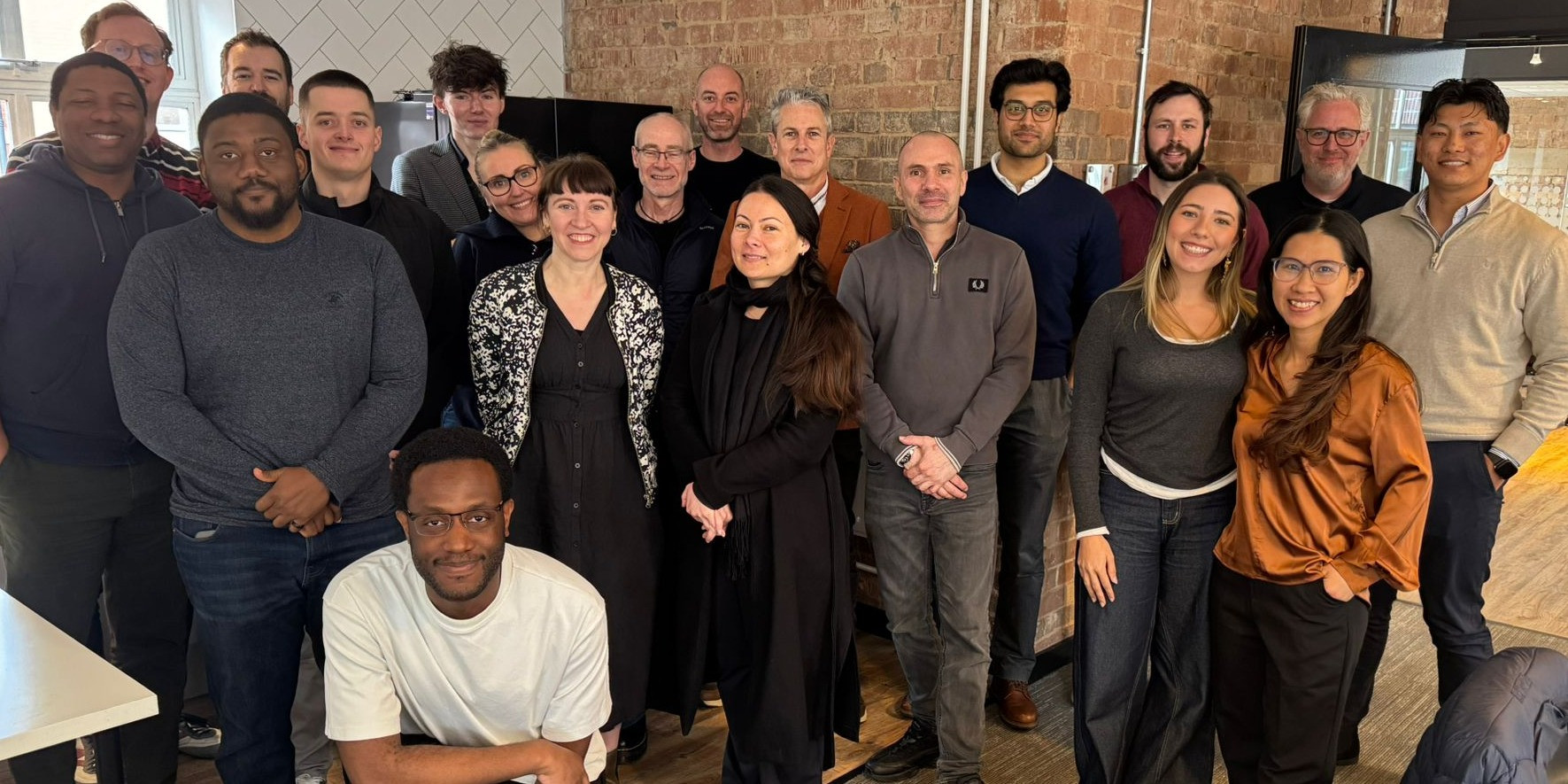
Alongside the practicalities of building a business, Lewis highlights the importance of being part of a founder community, something that has played a significant role in his experience on the Cooper Project.
“I think the most surprising part is how enjoyable and useful it has been to share the startup journey with other founders. I expected to learn a lot from the sessions from mentors but sharing experiences and knowledge with other Coopers has been equally helpful.”
Lewis has been a regular attendee at weekly Cooper Chats as well as other community events, and he stresses the benefits that come from being present and proactive on the project.
“The weekly group sessions with the other Coopers has been a great opportunity to explore experiences and ideas. I’ve had useful feedback on my product which I’ve integrated, and suggestions for conferences and grants which I wouldn’t have heard about otherwise. Sharing challenges and knowing that other people are going through similar things is a really good way of avoiding getting demotivated.”
Finding balance and building traction
With a clearer direction and growing confidence in the idea, Lewis is now focused on building momentum - balancing time constraints with practical ways to keep progressing.
“I still work part time so one of my biggest challenges has been finding enough hours in the day to dedicate to my business. I’ve taken advantage of freelance services such as Fiverr for things such as designing my company’s website and branding which has been a big help. The use of AI tools has also helped me accelerate my progress although now I’m getting towards the stage of selling my product there aren’t any shortcuts for customer interaction!”
Lewis has been exploring opportunities in the regional ecosystem to support his growth and getting him one step closer to onboarding those all important first customers.
“I was awarded a grant from TechSY in late December of last year which has enabled me to contract out some work related to website design, and also provided funds for spinning up cloud infrastructure for the first version of my product. I’m now in the stage of beta testing with real customers and am targeting getting my first fully fledged customers onboarded onto the product in the coming weeks.”
The value of developing ideas in the right environment
Lewis’s experience reflects the role that programmes like the Cooper Project can play at an early stage, not just in helping founders move forward, but in giving them the space to challenge their thinking.
By working alongside other founders and receiving regular feedback, ideas are explored and scrutinised more rigorously and assumptions are challenged early on. That creates an environment where refining or even rethinking an idea is part of the process, not a setback.
In Lewis’s case, that space supported a significant pivot, one informed by real-world constraints and external perspectives. Surrounded by peers facing similar challenges, that process becomes easier to navigate and more productive.
It’s a reminder that early-stage support isn’t just about accelerating progress, but about helping founders build stronger, more viable businesses from the outset.
Interested in joining the Cooper Project?
If you’re an early-stage founder looking to explore and develop your idea, challenge your assumptions and build alongside a community of like-minded entrepreneurs, the Cooper Project at Sheffield Technology Parks could be the right place to start.
Find out more about upcoming cohorts and how to apply here.
News / Podcasts / Events